

Top Things to Do in Siem Reap, Cambodia: Temples, Elephants & Beyond (2026)
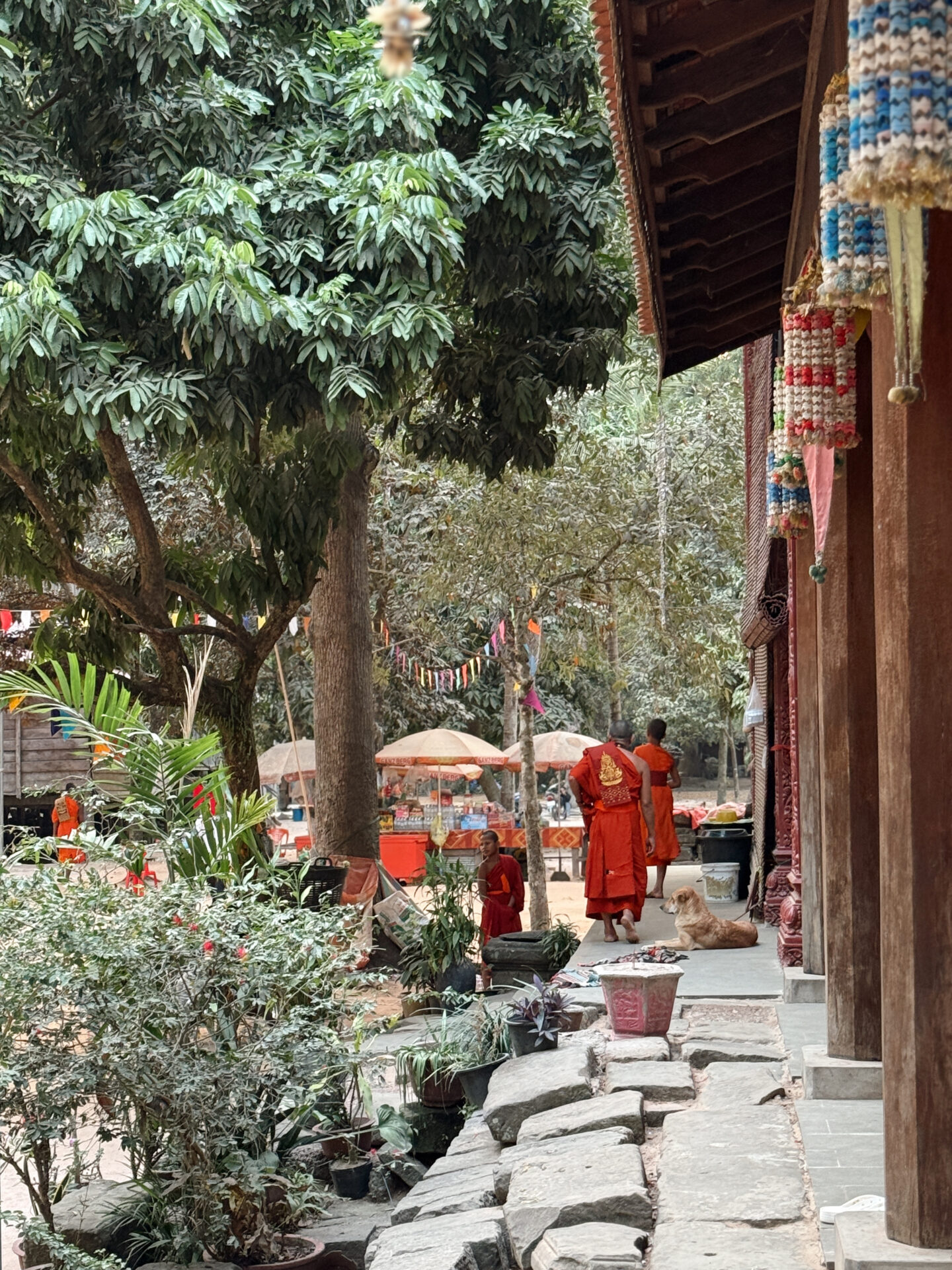
Siem Reap, Cambodia was one of the most beautiful, culturally immersive, and deeply moving destinations I have ever visited. Tucked in the heart of Southeast Asia, this city is the gateway to the incredible temples of Angkor Wat, the largest religious monument in the world and a UNESCO World Heritage Site, but it offers so, so much more than ancient ruins. From the resilience and warmth of the Cambodian people, to the lush greenery of the countryside, to some of the best street food I’ve had anywhere, Siem Reap was so special in ways I wasn’t expecting.
If you’re wondering what the top things to do in Siem Reap are, this post is for you. I’m sharing everything we did, what we loved most, and practical tips to help you plan your own trip, whether you’re visiting for a couple of days or spending a full week exploring Siem Reap city and the surrounding countryside.
Planning a trip? Check out our free and easy Itinerary Builder here!
Hire a Local Guide (We Loved Thanut Tours)
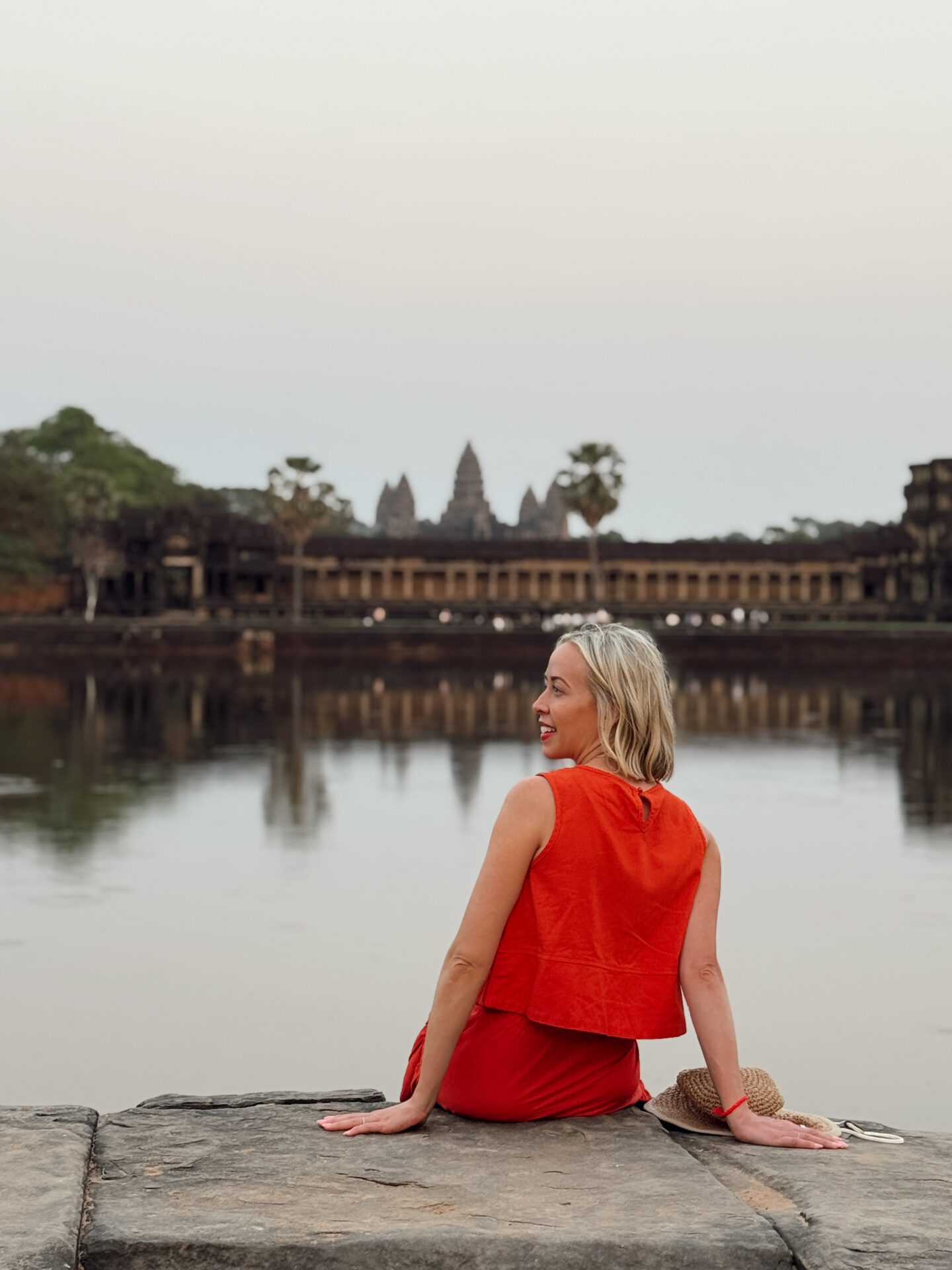
Before I dive into our favorite experiences, I want to talk about our guide. We hired Thanut from Thanut Tours, and I cannot recommend him or his company enough. Thanut is local to Siem Reap and he helped create a curated itinerary that got us off the beaten path and into the heart of Cambodian culture. He was genuinely fantastic and one of the kindest people we met on our trip. This was a girls trip and so it was me and one of my very best friends of almost 15 years. I was a bit nervous going with just the two of us and Thanut was so respectful, professional, but also was incredibly fun.
I feel strongly about hiring a local guide when I travel somewhere new. It’s one of the best ways to support the local economy and to get a deeper, more authentic experience. That said, you can absolutely explore most of Siem Reap without a guide. The city is overall quite safe, very tourist-friendly, and easy to navigate by tuk-tuk or on foot.
Pro Tip: Request Thanut as your main guide (he has several great employees, but Thanut stands above for sure), and then request Voleak as your accompanying guide to the temples. We loved both of them. Let Thanut know that Kam sent you. You won't regret it!
Our Four Favorite Angkor Temples
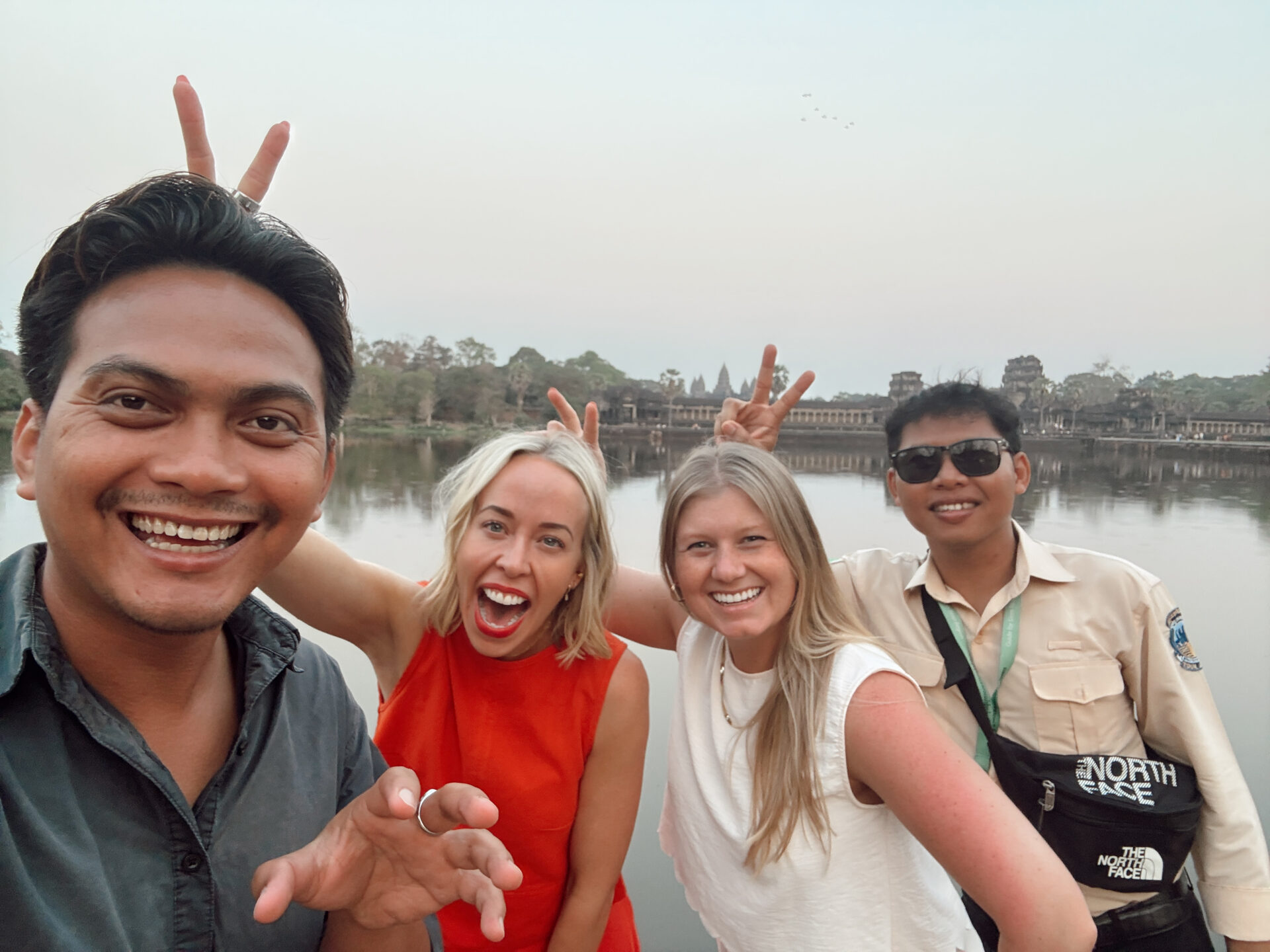
There are dozens upon dozens of ancient temples scattered throughout the Angkor Archaeological Park and beyond, and honestly, figuring out which ones to visit can feel overwhelming. I also think it’s totally possible to get temple fatigue (yes, it’s real). So instead of trying to see them all, here are the four Angkor temples we loved the most, and why.
We highly recommend purchasing the 3-Day Angkor Pass ($62 USD), which is valid for any three days within a 10-day window. This gives you the flexibility to explore at your own pace without rushing. The pass covers all of the major temples within the Angkor Archaeological Park, including Angkor Wat, Bayon, Ta Prohm, Beng Mealea, and Banteay Srei. You can purchase it online through the official Angkor Enterprise website, via their app, or at the ticket office on Road 60, about 4 km from the Siem Reap city center. A 1-day pass is $37, and a 7-day pass is $72. Children under 12 enter free with a passport as proof of age.
Angkor Wat
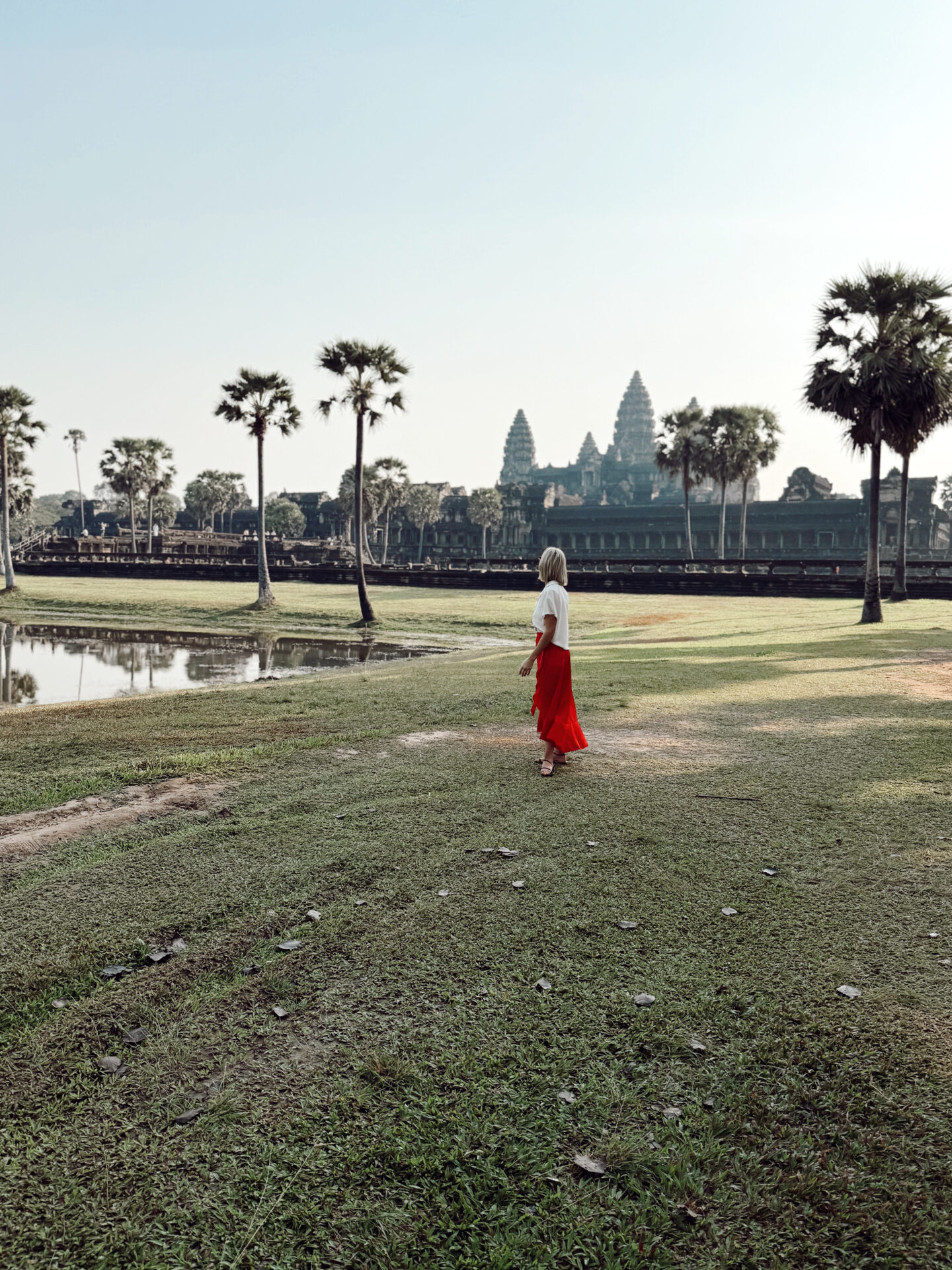
I mean, you cannot visit Cambodia without stopping at the Angkor Wat temple. It’s the crown jewel of the Khmer Empire, the largest religious monument on the planet, and an absolute must-visit. We visited early, early in the morning on our first day in Siem Reap to watch the sun rise over the iconic silhouette, and it was every bit as magical as you’d imagine. The temple complex is massive and deeply detailed, so I highly recommend having a licensed guide with you to help bring the history and artistry to life. .
Pro tip: Dress modestly. While a strict dress code is not really enforced at the other temples, it is enforced at Angkor Wat and we saw many people getting turned away at the entrance. Wear short sleeves (no tank tops) and pants or a skirt that goes past the knee. We also went back in the late afternoon on our last evening to watch the golden sunlight play across the façade as it set. Absolutely incredible.
Bayon Temple at Angkor Thom
Tied for my absolute favorite. Bayon Temple sits at the center of the ancient city of Angkor Thom and is famous for its towering stone faces (216 of them), each carved with serene, enigmatic smiles representing the four sublime truths of Buddhism. Walking through Bayon felt like stepping into a real-life Indiana Jones movie. The scale, the mystery, the energy of this place is unlike anything I’ve experienced.
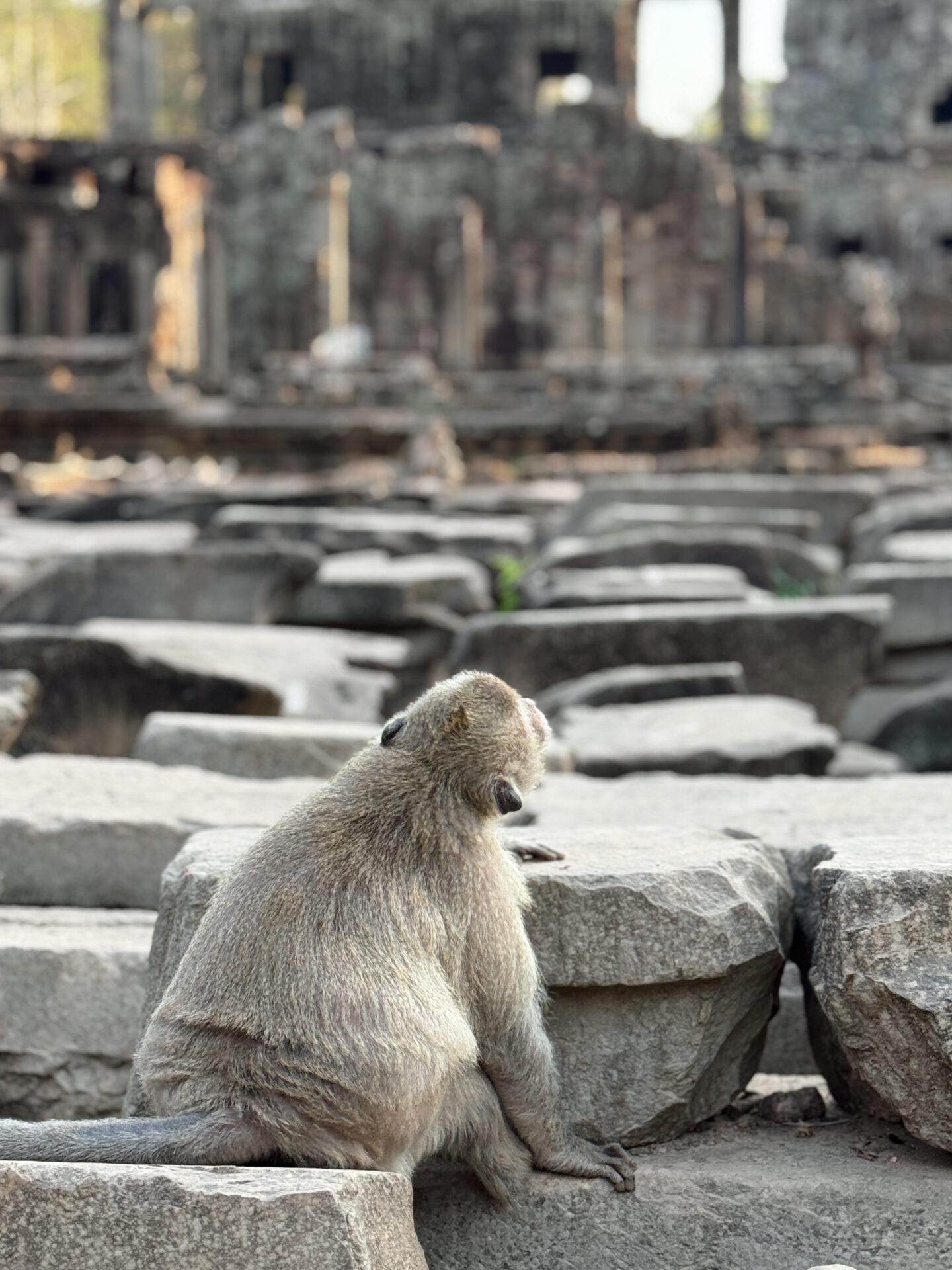
We visited in the evening and it was perfect. The lighting was golden, the crowds were almost nonexistent, and the wildlife was incredible. We spotted a pair of mated Great Hornbills with a nearby nest and so many monkeys. I also really wanted to see a tarantula, and Thanut was able to find one burrowed into the ground near the temple complex. If you’re worried about spiders, don’t be. They’re incredibly tricky to find since they burrow underground, and really only locals know where to look.
Beng Mealea (The Jungle Temple)
Also tied for my favorite. Beng Mealea is located about an hour outside of Siem Reap, deep in the jungle, and it is breathtaking. The history of this temple is a bit of a mystery, but its sheer size, remote location, and the way the jungle has completely overtaken the structure is extraordinary. You can walk up, around, and above the crumbling inner courtyard and it feels like discovering a lost world. This is a great day trip from Siem Reap if you want to get off the main Angkor temple complex circuit and see something truly awe-inspiring.
Ta Prohm (The Tomb Raider Temple)
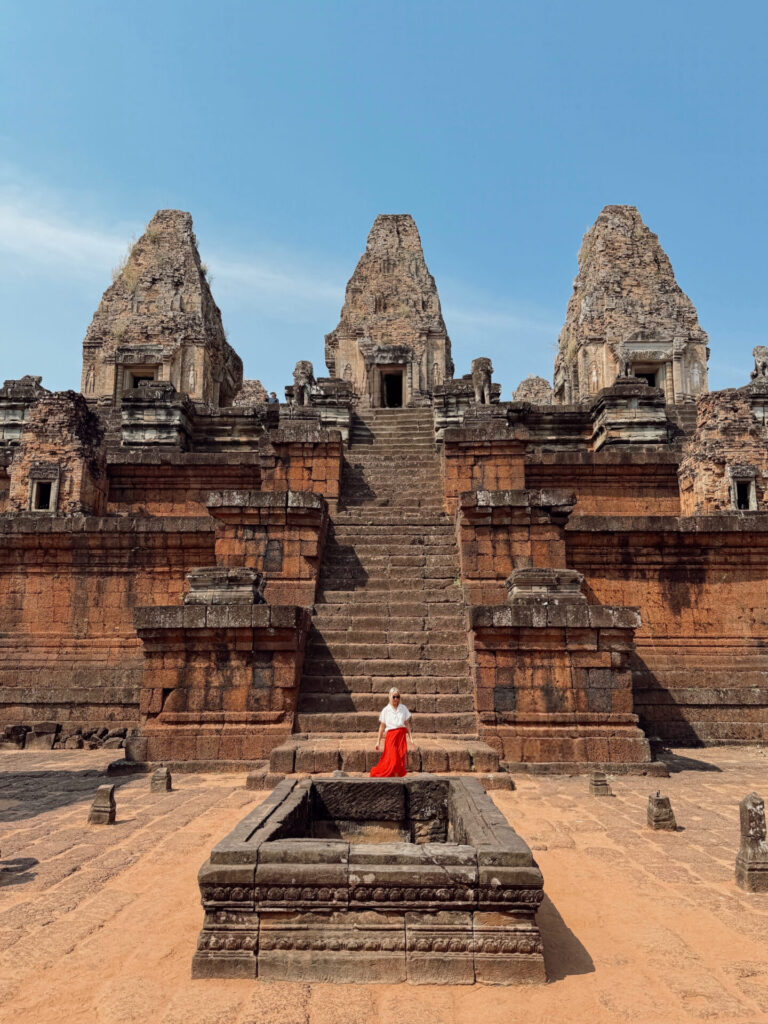
Built as a royal residence and monastery dedicated to one of the famous Khmer kings’ mothers, Ta Prohm is the temple that was made famous by the Tomb Raider movies, and once you see it, you’ll understand why Hollywood came calling. The best part of this temple is the stunning juxtaposition of ancient stone and nature. Massive silk-cotton and strangler fig tree roots spill over and through the walls, doorways, and towers in the most dramatic way. Be sure to walk around the back of Ta Prohm to see the most impressive root systems overtaking the structure.
Pro tip: Ta Prohm was packed when we were there because of its fame. If you can, visit earlier in the day or later in the afternoon to avoid the biggest crowds.
Get Into the Cambodian Countryside
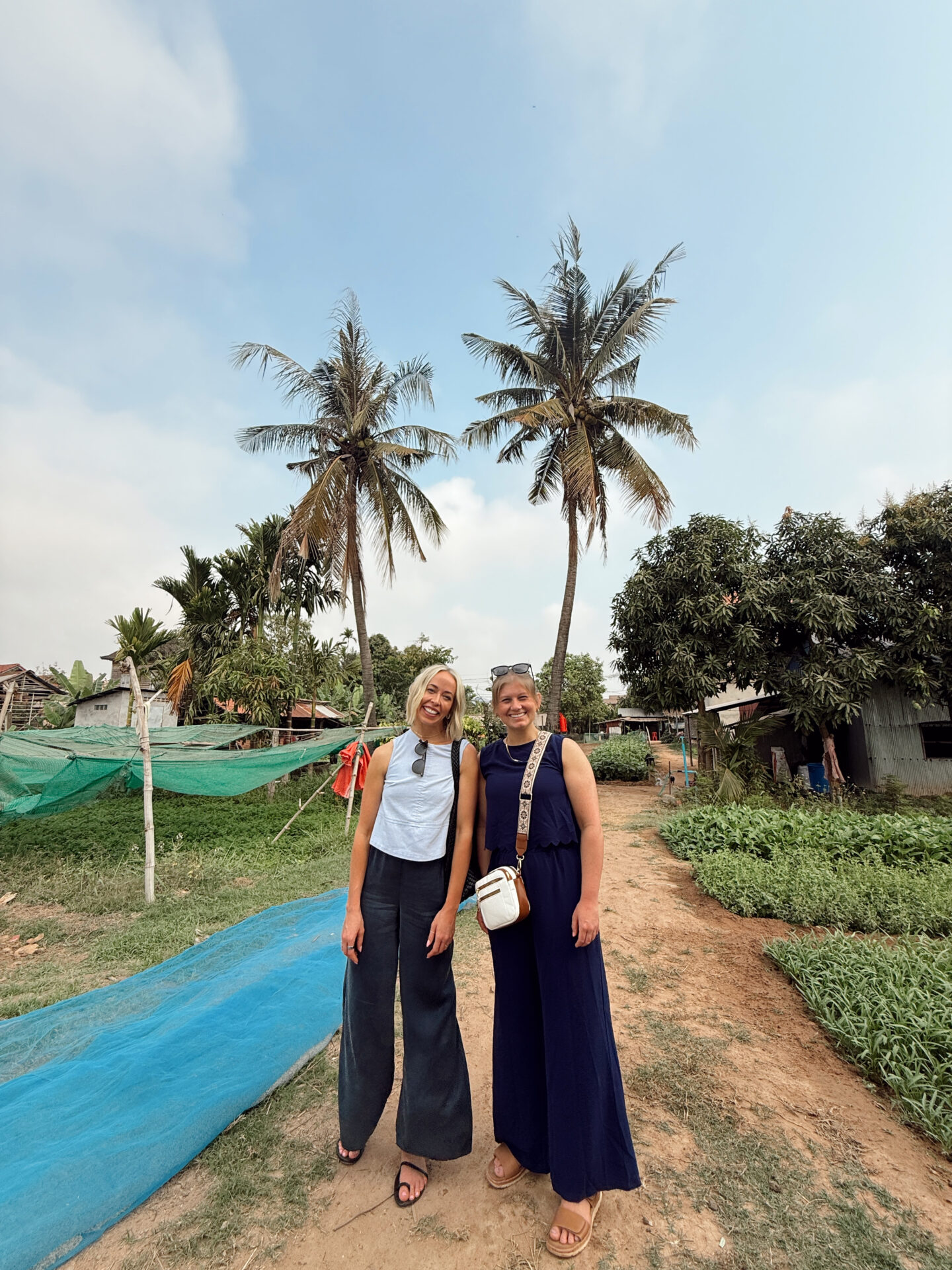
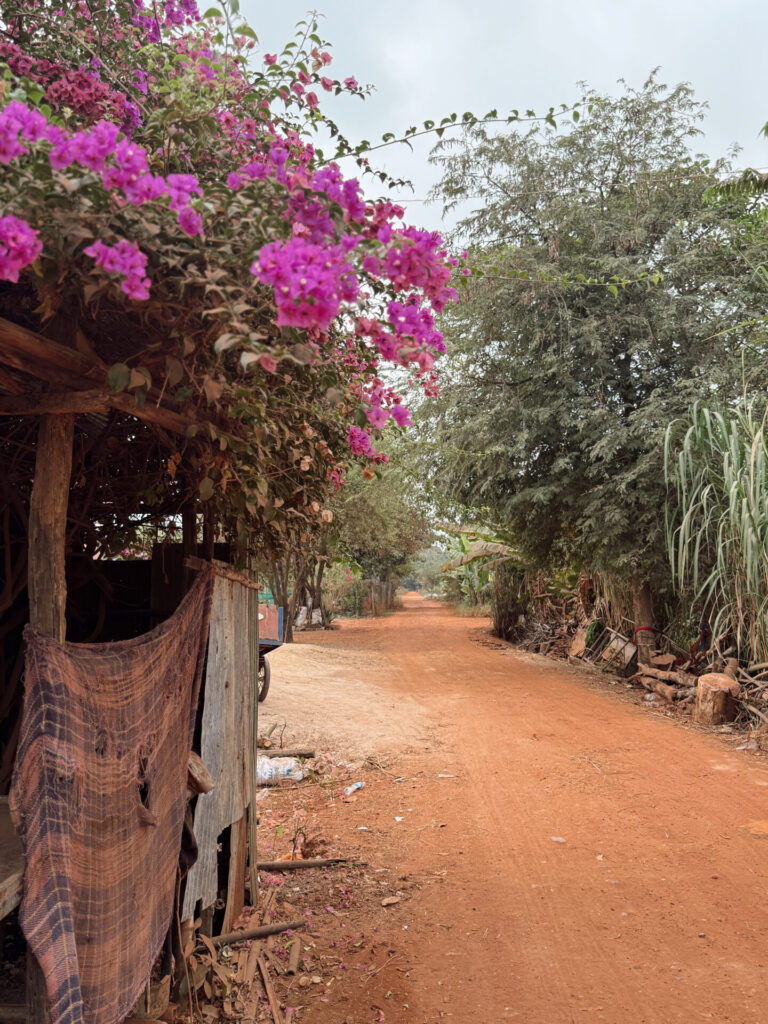
I cannot stress this enough. One of the best things you can do in Siem Reap is get outside the city center and into the countryside. One of the most wonderful things about Cambodia is its people, and experiencing how locals live in the rural areas surrounding Siem Reap was fascinating, humbling, and genuinely one of my favorite days of the entire trip.
Cambodia relies heavily on tourism and has had a really difficult time recovering since COVID. But everyone we met was so excited to share their way of life with us. Thanut organized our countryside tour in a way that didn’t feel intrusive or exploitative, but rather engaging and sustainable. We visited rice paddies, water buffalo fields, local food markets bursting with fresh produce, a mushroom farm, a local Buddhist temple where we received a prayer and blessing for good luck, and a stunning lotus field. It was magical.
If you visit Siem Reap and only see the Angkor temples, you’re missing the heart of this place. The countryside is where you’ll connect with Cambodian culture in a way that makes the main temple circuit even more spectacular.
Visit the Kulen Elephant Forest
The history of elephant tourism in Southeast Asia is rough. For decades, elephants were exploited for rides, daily tourist washings, and entertainment across Cambodia and the region. In 2019, Cambodia’s Apsara Authority announced it would ban elephant rides at Angkor Wat, and the ban officially took effect in early 2020. When that happened, there were all of these elephants who could no longer be released into the wild but still needed care and a safe place to live.
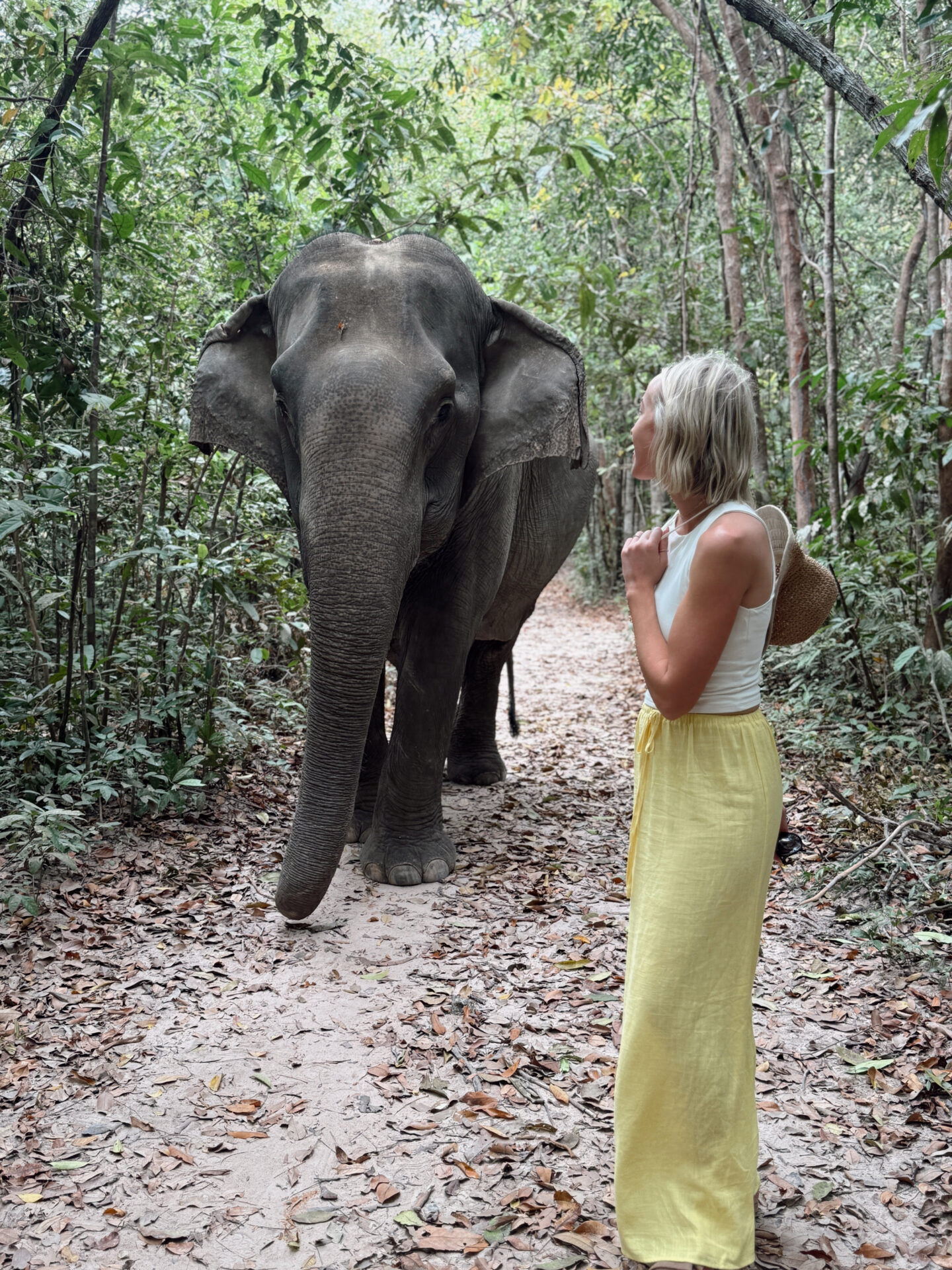
Enter the Kulen Elephant Forest, an unfenced sanctuary (think of it as a retirement home) for elephants rescued from inhumane tourism practices in Cambodia. These elephants are living out the rest of their lives here in peace. Most of the elephants are older; my favorite was a 70-year-old female named Cheeto. There is no breeding program here, just dedicated caretakers providing comfort and rest for these beautiful animals while Cambodia actively works to protect and grow its wild elephant population.
If you’re expecting to ride or bathe the elephants, that’s not what happens here, and that’s exactly the point. What you can do is prepare a snack for them, help the caretakers with feeding, and then walk with them through the forest on their daily stroll. You’ll observe from a respectful distance as the elephants wash themselves in the water. There are no ropes, hooks, or sticks. The elephants are used to people from their years in captivity and will sometimes approach you (there’s always a guide right there), but this is an observation-first experience and it feels right.
Pro tip: We booked the morning tour so it would be cooler. However, I didn’t love the included lunch. If you’re visiting during the low season and the heat isn’t too intense, I’d actually recommend the afternoon tour. It’s a bit shorter and cheaper. If you’re looking for a sustainable, more ethical way to see Asian elephants, this is it.
Take a Khmer Cooking Class
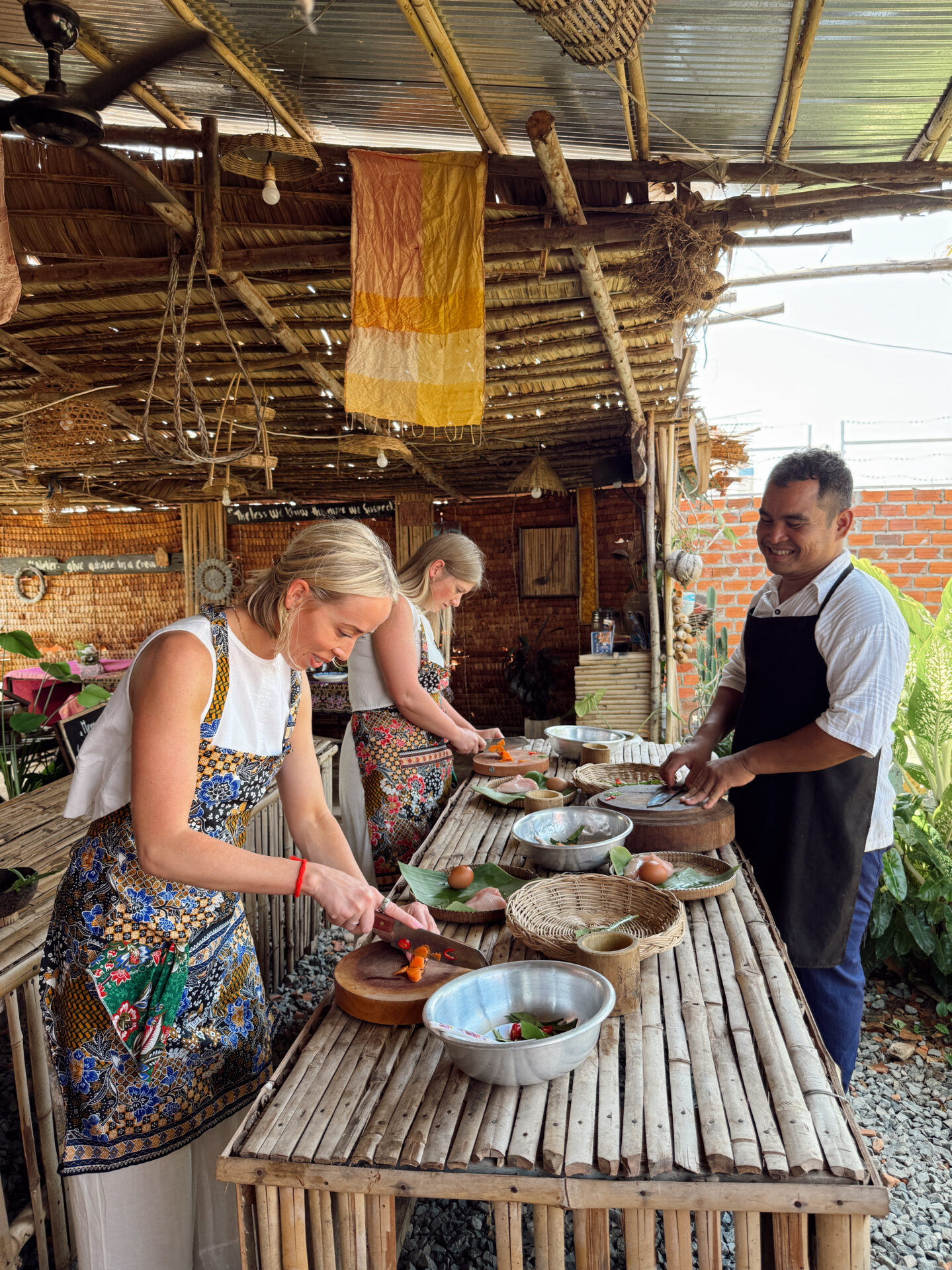
One of the great things about Siem Reap is the incredible food scene, and taking a Khmer cooking class is one of the best ways to immerse yourself in it. We took a class at Savuth’s Cooking Class, a charming little outdoor kitchen on the outskirts of Siem Reap, and I cannot recommend it enough.
We did the fast cooking version (about an hour and twenty minutes, which was the perfect pace for us), though a standard class runs about three hours. What I loved most is that Savuth is a trained chef who worked at a five-star resort in the city for 15 years, so he really understood food safety, water contamination issues, and sanitary preparation. All things that matter when you’re cooking outdoors in a tropical climate. We made Chicken Amok (a traditional Cambodian curry), veggie spring rolls, and mango sticky rice. Everything was fresh, delicious, and fun to make.
Truth be told, the veggie spring rolls we made with Savuth were even better than the Michelin-star spring rolls we had at the Park Hyatt (though those were incredible too). I also have celiac disease, and our guide made sure Savuth understood so that we could make everything completely gluten-free. It was a lovely, personal experience from start to finish.
Kampong Phluk Floating Village on Tonlé Sap
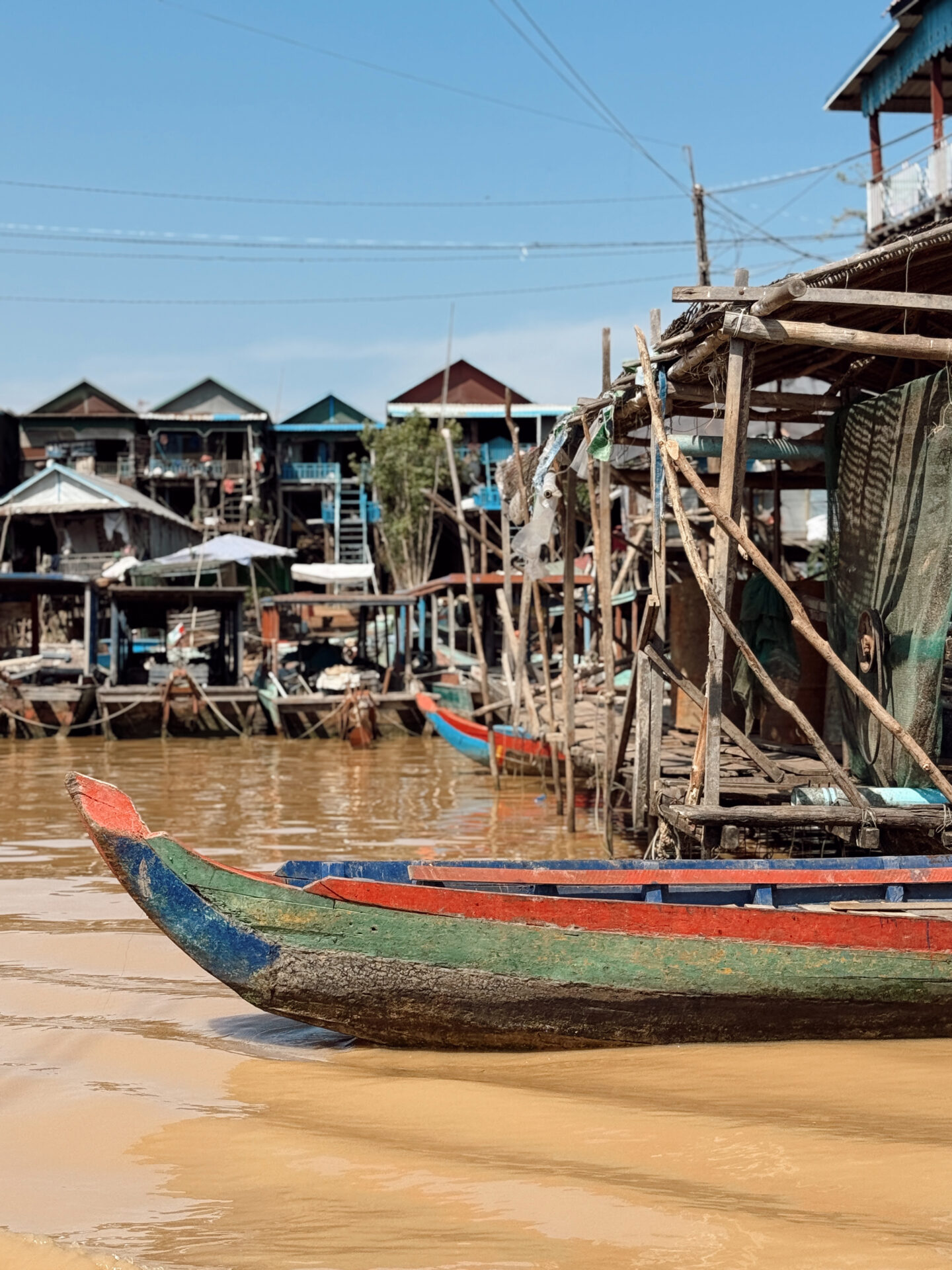
I know visiting the floating villages on Tonlé Sap Lake is at the top of everyone’s list of things to do in Cambodia, and I’m really glad we did it, but I want to be honest: I’m not sure we’d do it again. Kampong Phluk was one of the more touristy things we did, and after spending time in the countryside on our more authentic, off-the-beaten-path tours, the floating village just didn’t hit the same way for me.
We visited during the middle of the dry season, and the water level was quite low, so it’s possible this experience is more spectacular when the water levels are higher during the rainy season. It was still incredible to see how people live and how a floating village functions, and there was one moment that absolutely made the trip worth it: the woman who paddled our kayak through the deep mangroves sang the most beautiful songs the entire time. Our guides translated for us, and she was singing about how much she loved her husband. It was truly one of the sweetest moments of our trip.
If I go back to Siem Reap, I’m not sure I’d do Kampong Phluk again, but if it’s your first visit, it’s still worth seeing.
Tour a Silk Farm
While a little touristy, visiting a silk farm was so cool and surprisingly educational. I learned on our trip that a huge amount of textiles in the US are actually imported from Cambodia, and seeing the entire lifecycle of a silk worm, from caterpillar to finished fabric, was fascinating. We visited the Artisans Angkor silk farm, but there are several options around Siem Reap. My kids would have absolutely loved this, and it’s a great place to pick up beautiful, locally made souvenirs from local artisans. If you’re traveling with children, add this to your list.
Watch the Sunset from Phnom Krom
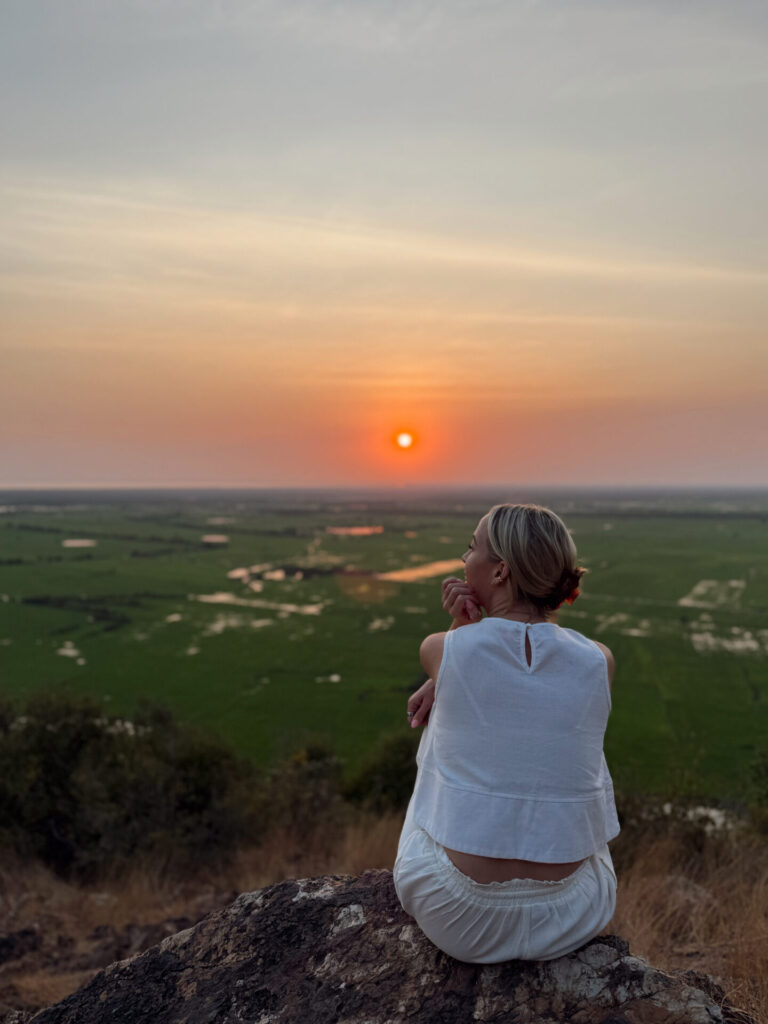
This was one of my absolute favorite moments of the trip. On our last night in Cambodia, we drove to the small mountaintop village of Phnom Krom on the outskirts of Siem Reap. At the top, there’s a small temple that actually predates Angkor Wat, and from here you get sweeping views of the Cambodian countryside, Tonlé Sap Lake, and the Siem Reap skyline.
As the sun set, we could hear funerary prayers and chants floating up from a nearby Buddhist temple and the sounds of children playing in the village below. It was the perfect place to reflect on everything we’d seen and experienced. I LOVED this and it’s the kind of moment that makes travel so special. No crowds, no tickets, just beauty and stillness and the sounds of everyday life.
Learn About the Khmer Rouge and Cambodia’s Recovery
Cambodia has had an incredibly difficult history. The Khmer Rouge regime ruled from 1975 to 1979 and is responsible for one of the worst genocides of the 20th century. This was preceded by the devastating impact of the Vietnam War and followed by years of continued civil war. It is estimated that over two million people, roughly a quarter of Cambodia’s population at the time, were killed during the Khmer Rouge, and four to six million land mines and unexploded ordnance were left scattered across the country.
While the main killing fields memorial and the Tuol Sleng Genocide Museum (S-21) are in Phnom Penh, there is a lot you can see and learn in Siem Reap as well. The two places we highly recommend are:
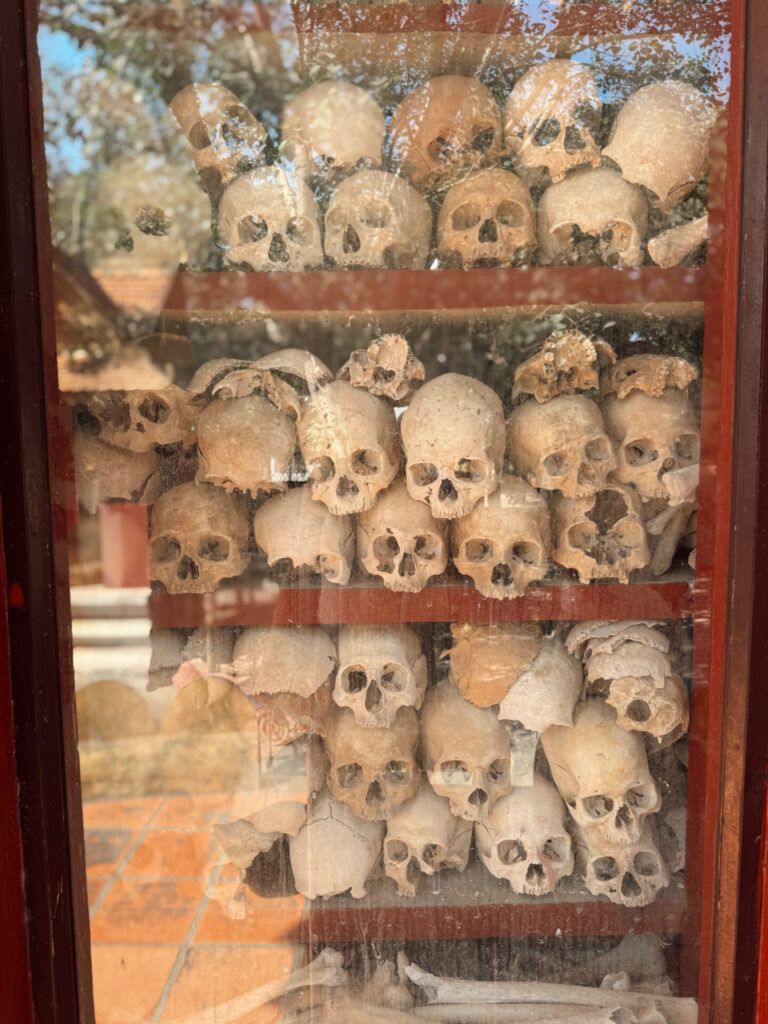
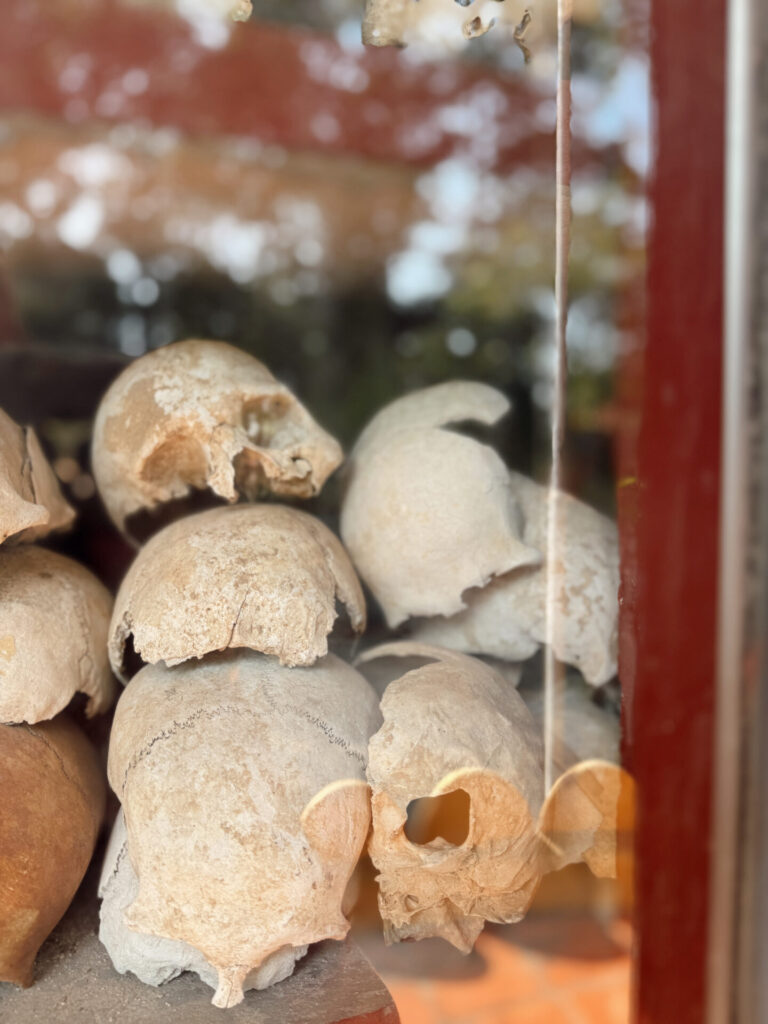
Wat Thmey: This Buddhist temple near the Siem Reap city centre houses a small but powerful memorial and museum with a glass-walled stupa containing the bones and skulls of Khmer Rouge victims. Most people skip the small museum building right at the entrance. Don’t. It provides critical context and is incredibly moving. The whole visit takes about 45 minutes to an hour.
APOPO Visitor Centre (Land Mine Clearing Center): APOPO is a worldwide organization that trains giant African pouched rats (yes, rats!) to humanely detect and clear landmines. Seeing their work in person was fascinating, and understanding the scale of the land mine crisis in Cambodia is something I believe every visitor should take the time to do. These rats are saving lives and the organization’s approach is remarkable. This is a good cause that truly deserves support.
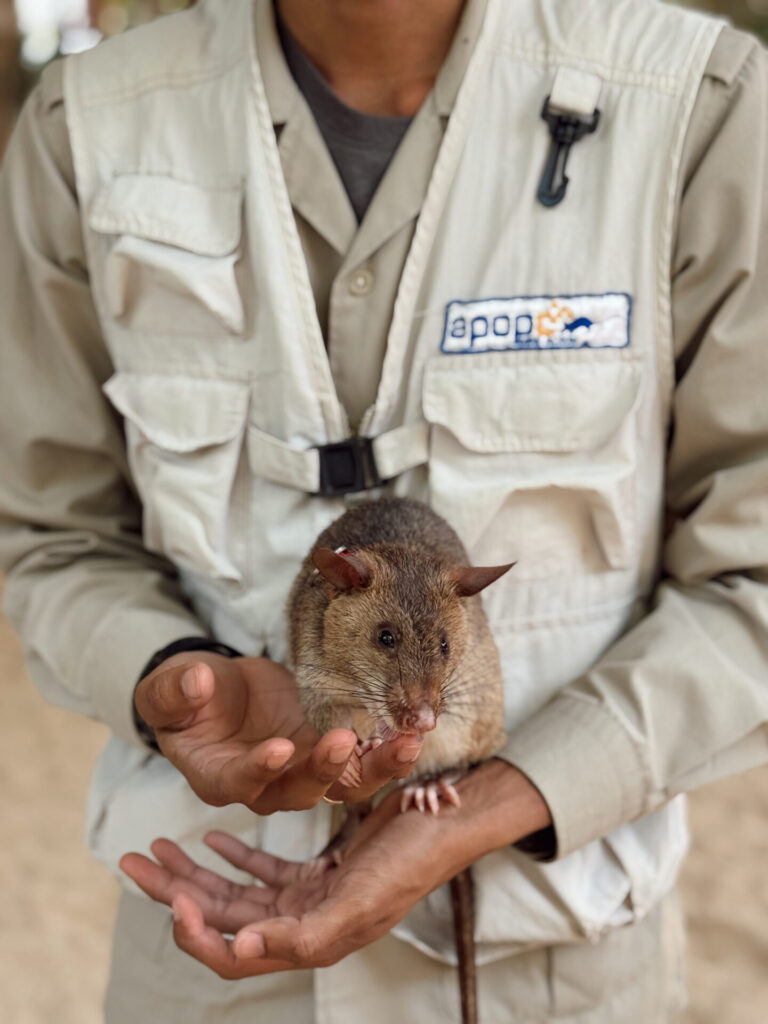
Visiting these sites was so important to me. You cannot truly understand the beauty and resilience of the Cambodian people without understanding what they have endured and continue to recover from. Most people don’t know about Wat Thmey, and they skip it. Please don’t.
Where We Stayed: The Park Hyatt Siem Reap
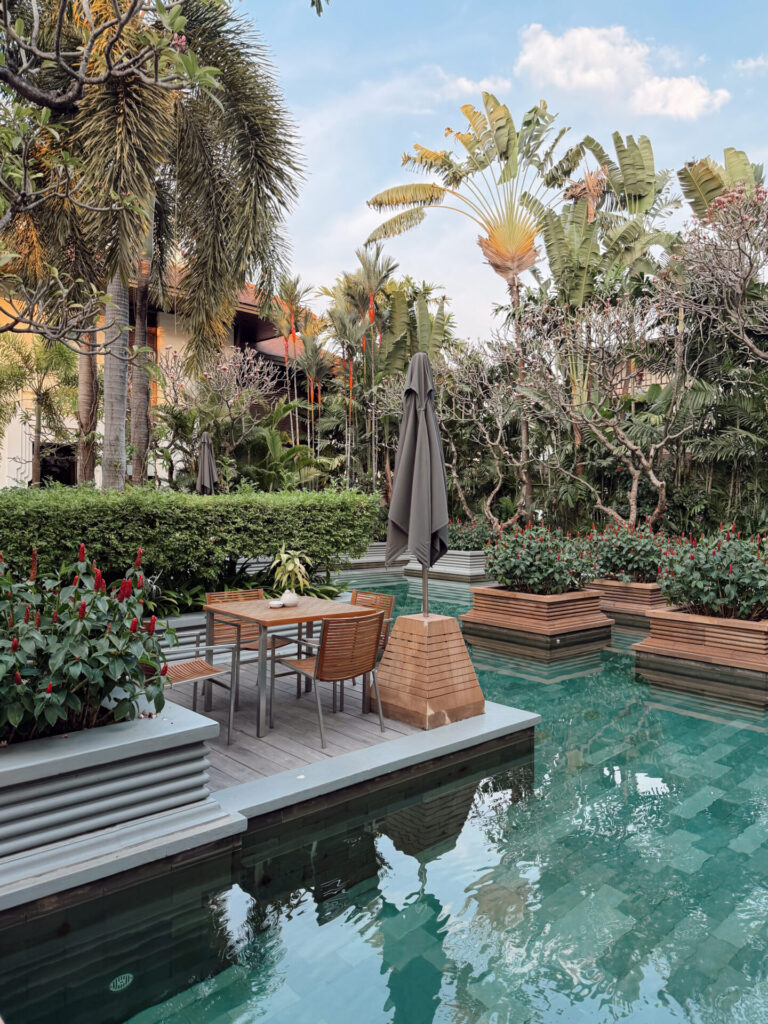
We stayed at the stunning Park Hyatt Siem Reap, and while the location is interesting (it sits right on a busy street corner near the town centre and the Old Market area), this luxury hotel absolutely does not disappoint. The spa treatments are incredible, the service is impeccable, and the food (including a Michelin-star restaurant) is excellent. It was also a great base for exploring the area, with easy access to the city center and the temples.
The breakfast alone is worth talking about. They managed my celiac disease beautifully, and the gluten-free Khmer waffles were outstanding. Each morning, the hotel offers included activities like lotus flower folding, basket weaving, and a short Khmer shoulder and neck massage. Every evening, there’s a traditional Apsara dance show and a Buddhist wishing ceremony with candles and floating boats, and it’s really lovely and sweet. We also received a complimentary tuk-tuk ride card at check-in, making it incredibly easy to get around Siem Reap city.
And here’s the best part: we stayed entirely on Hyatt points, so our stay at this stunning property cost us $0. That’s the power of points and miles. If you want an easy roadmap to hundreds of thousands of points earned responsibly and strategically. Check out Points and Miles Made Easy here!
You can see our review of the Park Hyatt Siem Reap here!
Practical Tips for Visiting Siem Reap
Best time to visit: The dry season (November through April) is the best time to visit Siem Reap and is considered peak tourist season. We visited during the dry season and the weather was hot but manageable. The rainy season (May through October) means fewer crowds and lush, green landscapes, but some roads and sites can be harder to access. The best way to decide is to think about what matters most to you: weather or crowds.
Getting around: Tuk tuks are everywhere and are the best way to get around Siem Reap. They’re affordable, fun, and your driver will wait for you at each stop. You can also arrange a private car and driver through your hotel or a tour company like Thanut Tours for full days exploring the Angkor temples or further destinations like Beng Mealea.
How many days do you need? I’d recommend at least three to four full days in Siem Reap. You could spend a couple of days on the main Angkor temple complex (including Angkor Wat, Bayon, and Ta Prohm), plus additional days for the countryside, Kulen Elephant Forest, and other experiences. If you have five days or more, you’ll have time to explore further-flung temples like Beng Mealea, Koh Ker, Banteay Srei, or Phnom Kulen National Park.
Currency and credit cards: Cambodia is largely cash-dependent. While some areas accept credit cards, most don't. You will need fresh, clean United States bill in low denominations. If the bills are old, ripped, etc... they will be rejected. Go to your bank a week or two in advance and get low denominations of 5, 10, 1's, and a few 20-dollar bills. Otherwise, it can be tough to pay for things.
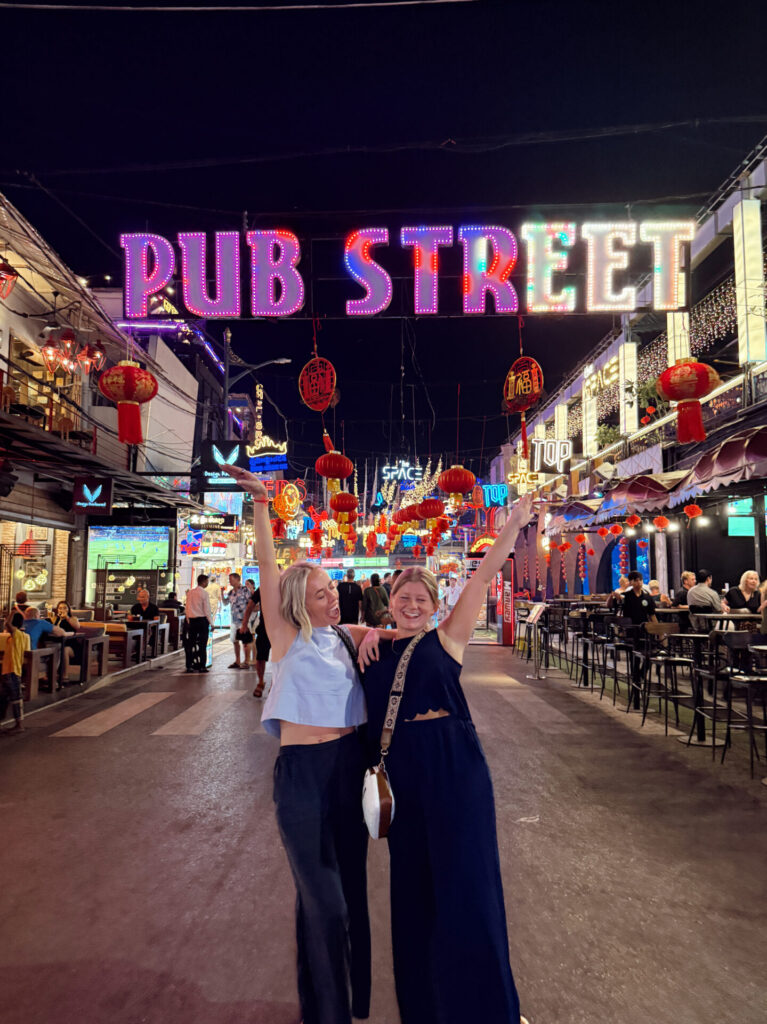
Don’t skip: The Siem Reap night scene is lively! Pub Street is the main hub for restaurants, bars, and live music in the town centre, and the Angkor Night Market and Old Market are great places to browse for souvenirs, street food, and handmade goods from local Cambodia markets.
We also heard incredible things about the Phare Cambodian Circus (also known as the Cambodian Circus), a world-renowned performance arts show that combines acrobatics, music, and storytelling rooted in Cambodian history. We didn’t get a chance to see it on this trip, but it’s at the very top of my list for next time.
Final Thoughts
Siem Reap was one of those destinations that exceeded every expectation. The temples are magnificent. Angkor Wat at sunrise is a bucket list experience for good reason. But it’s everything beyond the temples that made this trip truly unforgettable. The countryside, the people, the food, the history. Cambodia is still deeply recovering from decades of hardship, and yet the warmth we encountered everywhere we went was truly extraordinary.
If Siem Reap isn’t already on your travel list, I hope this post puts it there. It is a perfect place for families, couples, and solo travelers alike. And if you use points and miles to get there and stay at properties like the Park Hyatt for free? Even better. Southeast Asia is one of the best places in the world to stretch your travel rewards, and Siem Reap is proof of that.
xo, Kam